How to Ace GEO / AEO: The Next Evolution of SEO in the Age of AI

As generative AI platforms like ChatGPT, Perplexity, and Google AI Overview change how people find information, a new form of optimization has emerged: Generative Engine Optimization (GEO) or Answer Engine Optimization (AEO).
Traditional SEO was about ranking on search result pages. GEO/AEO is about being cited or recommended directly in AI-generated answers. The question isn’t “How do I rank?” — it’s “How do I become the answer?”
From SEO to GEO/AEO
SEO optimized for keywords, backlinks, and metadata to rank among the top 10 blue links. Users searched short queries like “best running shoes,” clicked multiple results, and compared manually.
In contrast, AI search is conversational and intent-driven. People ask complex, natural-language questions — and AI delivers a direct summary, often listing or recommending specific products, tools, or brands. So instead of fighting for clicks, brands now compete for mentions inside AI answers.
These are the 3 types of questions people tend to ask in AI:
1. Product Comparison Queries
Example user query:
“List the top 10 running shoes for men and explain the pros, cons, and prices.”
People used to do this by opening 10 tabs on Google. Now, they expect ChatGPT or Perplexity to summarize that entire process.
Optimization goal:
Be the data source AI relies on to compare and recommend products.
Effective content types:
- Comparison pages or listicles (e.g., “Top 10 Trail Running Shoes for 2025”)
- Product-versus-product pages (e.g., “Nike Pegasus 41 vs Adidas Ultraboost Light”)
- Feature or spec breakdown tables for quick reference
- Expert or user review roundups AI can easily summarize
Content tip:
Use structured data (schema markup), consistent formatting, and rich metadata to make your comparisons machine-readable and quotable by AI models.
2. Personalized, Long-Tail Queries
Example user query:
“I need a waterproof trail running shoe with arch support for cold weather.”
AI search enables people to describe exact needs, combining multiple features and contexts in a single prompt.
Optimization goal:
Cover as many personalized use cases as possible so AI can match your product to those specific needs.
Effective content types:
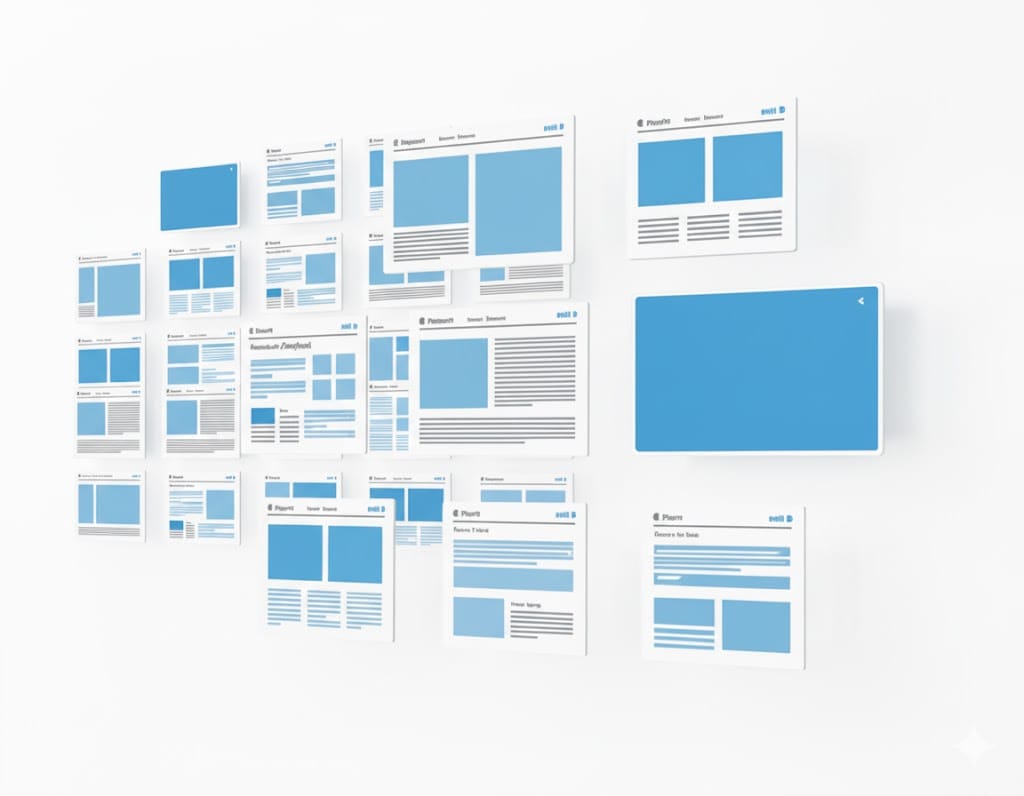
- Programmatically generated use-case pages (e.g., “Best Running Shoes for Flat Feet in Rainy Weather”)
- Product finder or recommendation hub pages
- Dynamic landing pages built around user intent or attributes (gender, activity, environment, material, etc.)
- Customer story or testimonial content matching unique scenarios
Content tip:
Think like a configurator — each combination of features and benefits should have a dedicated page or paragraph that explains why your product fits that specific use case.
3. How-To and Solution-Oriented Queries
Example user query:
“How to improve running endurance” or “How to do keyword research.”
In these cases, AI answers often include recommended tools or products as part of the solution.
Optimization goal:
Create educational content that positions your product as the practical solution to a problem.
Effective content types:
- How-to guides and tutorials (with clear steps and product tie-ins)
- Tool recommendation posts (“Best tools for keyword research”)
- Educational blog posts and resource hubs
- Video or interactive content AI might summarize or link to
Content tip:
Structure your articles with clear headings, step-by-step formatting, and product mentions — this helps AI engines extract concise, actionable insights.
Programmatic GEO: Scaling for the AI Search Era
Just as programmatic SEO created thousands of pages for keyword variations, programmatic GEO creates pages for intent variations in AI-driven search.
That means generating:
- Hundreds of use-case pages that target personalized prompts
- Automated comparison pages for products and features
- How-to pages that weave in your tools or solutions
By covering a wide range of long-tail, conversational, and contextual queries, you increase the chances of your brand being cited, recommended, or quoted directly in AI-generated answers.
Final Thought
In the AI era, visibility isn’t about being clicked — it’s about being chosen.
GEO and AEO bridge the gap between SEO and AI-driven discovery. To win, your content must not only attract algorithms but also feed them — structured, helpful, and ready to be part of the answer.