SEO Strategy After an Acquisition: Why You Should Keep the Acquired Domain Alive
Learn the best post-acquisition SEO strategy for AI and tech companies. Discover why keeping the acquired domain active can preserve traffic, authority, and brand trust.
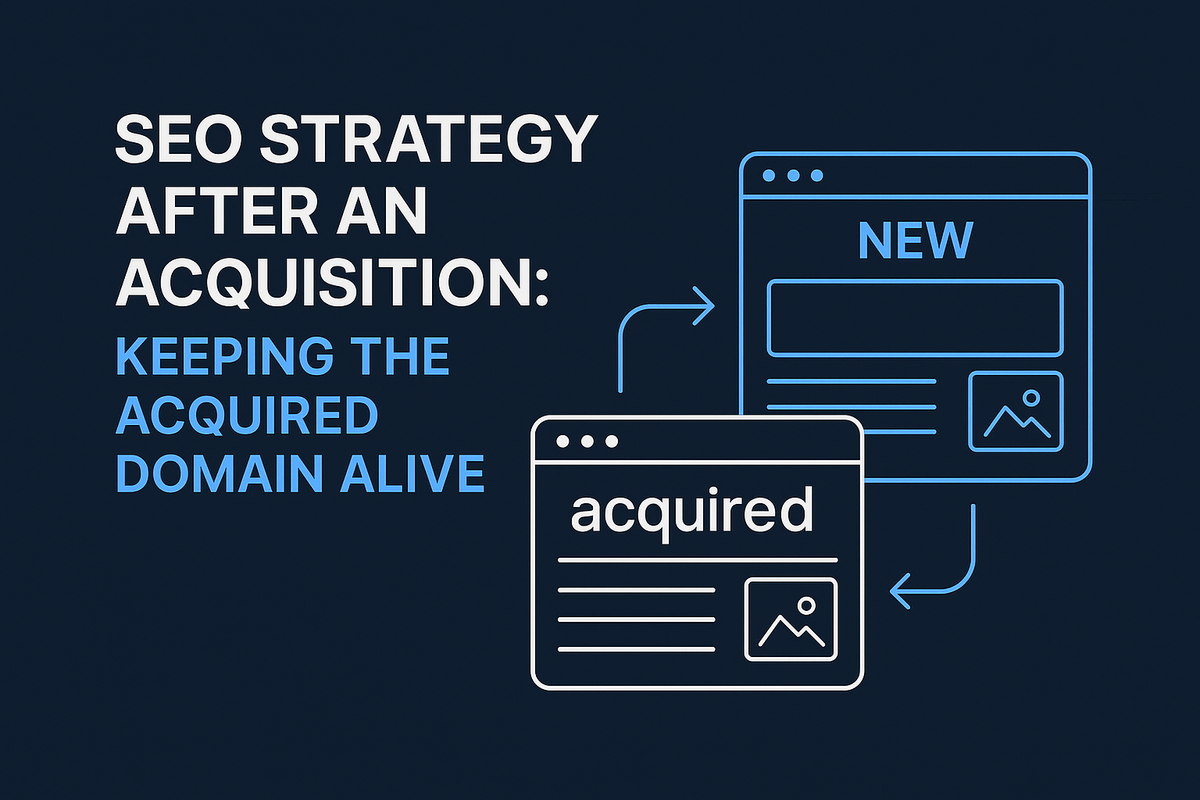
When your company acquires another business — especially one with a high-traffic domain — you’re not just buying products or users. You’re acquiring a powerful SEO asset: organic traffic, backlinks, and brand authority that can fuel your growth.
Most companies immediately merge everything under one domain. It looks simpler, but it’s often a costly SEO mistake. If your company works in AI, SaaS, or tech, the better play is to keep the acquired domain alive — and use it strategically.
Here’s why, and how to do it right.
Why Keeping the Acquired Domain Is the Smart SEO Move
1. Preserve Topical Authority
Google builds a “topical map” for every website. If the acquired domain is already seen as an expert in, say, AI research or machine learning tools, merging it too fast can destroy that recognition. Keeping it separate lets you maintain that semantic authority while connecting it to your brand ecosystem.
2. Maintain Brand Equity and Trust
Users recognize brands they’ve followed for years. If that site suddenly disappears into a new domain, they may bounce. Keeping the brand and domain alive signals continuity and builds long-term trust.
3. Reduce SEO Risk
A full domain merge (via 301 redirects) is risky. Even with perfect redirects, companies often see 30–50% traffic drops. By maintaining both domains, you minimize the risk of losing valuable traffic while you plan your integration intelligently.
4. Build a Multi-Domain SEO Ecosystem
Owning multiple authoritative domains gives your company more SERP real estate — meaning you can control multiple positions for the same keyword. For AI and SaaS companies, this approach compounds authority and strengthens the entire brand network.
🧩 Post-Acquisition SEO Plan: How to Keep the Acquired Domain Successfully
Step 1. Keep the Domain Live
- Keep hosting, content, and structure exactly as is.
- This preserves user trust and helps Google connect ownership signals naturally.
Add a small banner or interstitial:
“Company X is now part of Company Y — learn more →.”
Pro Tip: Add both domains as verified properties in Google Search Console early on.
Step 2. Link Analytics and Set Up Tracking
You’ll need unified visibility into both sites’ performance:
- Add GA4 and Search Console access for both.
- Track conversions and referral flows between domains using UTM parameters.
- Benchmark metrics: top pages, backlinks, keyword rankings, and traffic trends.
Tools to use: Ahrefs, Semrush, Google Data Studio.
Step 3. Audit and Map Content
Identify content overlaps and unique strengths:
- Export all URLs, titles, and keywords.
- Group content by topic clusters: “AI tools,” “machine learning,” “data labeling,” etc.
- Note where both domains cover similar subjects.
Goal: Find where cross-linking will add value rather than cannibalize rankings.
Step 4. Cross-Link Between Domains
Once both domains are stable:
- Place “Part of the SuperAI Network” in the footer or about page.
- Reference the acquired brand in your main blog (e.g., “According to data from AIResearchHub…”).
Add contextual backlinks from the acquired site to your main brand pages.
Example:
“Explore more solutions at SuperAI.”
This interlinks topical authority between sites — one of the most effective cross-domain SEO signals you can send.
Step 5. Gradual Brand Integration
After a few months:
- Create co-branded posts (“AIResearchHub joins SuperAI”).
- Slowly migrate high-performing content with canonical tags instead of immediate redirects.
- Test performance before moving large sections.
Tip: Canonical tags tell Google which version is primary while keeping both indexed temporarily — reducing traffic loss.
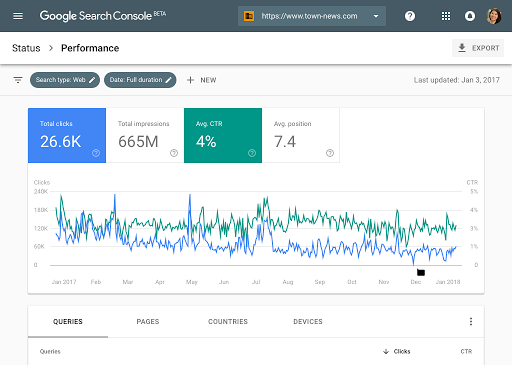
Step 6. Monitor and Optimize
Track performance monthly:
- Organic traffic (Search Console)
- Rankings and click-through rates
- Backlink health
- Conversions between domains
When you see stable or improved results, consider merging select pages — not the entire domain.
⚠️ SEO Mistake to Avoid: The Full Redirect Trap
A major AI tool company once acquired a niche research blog with 150K monthly organic visits. Within two weeks, they redirected every page to their homepage.
Result:
- 90% traffic loss
- Disappearing backlinks
- Brand confusion
They turned a valuable SEO asset into a ghost site.
✅ Winning Example: Strategic Domain Coexistence
Another AI productivity company acquired a smaller NLP research site. Instead of merging:
- They kept the site live for one year.
- Added “Part of the SuperAI Network” branding.
- Cross-linked key articles into product pages.
- Slowly migrated only high-performing content.
Result: +35% increase in total organic traffic and stronger domain authority across both sites.
Final Recommendation: Build a Multi-Domain SEO Strategy
If you acquire a domain with existing organic traffic:
- Keep it live.
- Connect analytics.
- Cross-link smartly.
- Integrate brand gradually.
In the AI space, where credibility, research, and expertise matter, maintaining multiple domains gives you a strategic SEO edge.