Cold Email回复率为什么低?影响 回复率的 6 个核心因素

很多人做 Cold Email 时,会把注意力全部放在一件事情上:邮件怎么写得更 personalized?
但这其实只是很小的一部分。
一封邮件有没有人回复,不是由某一句文案决定的,而是多个因素共同作用的结果。
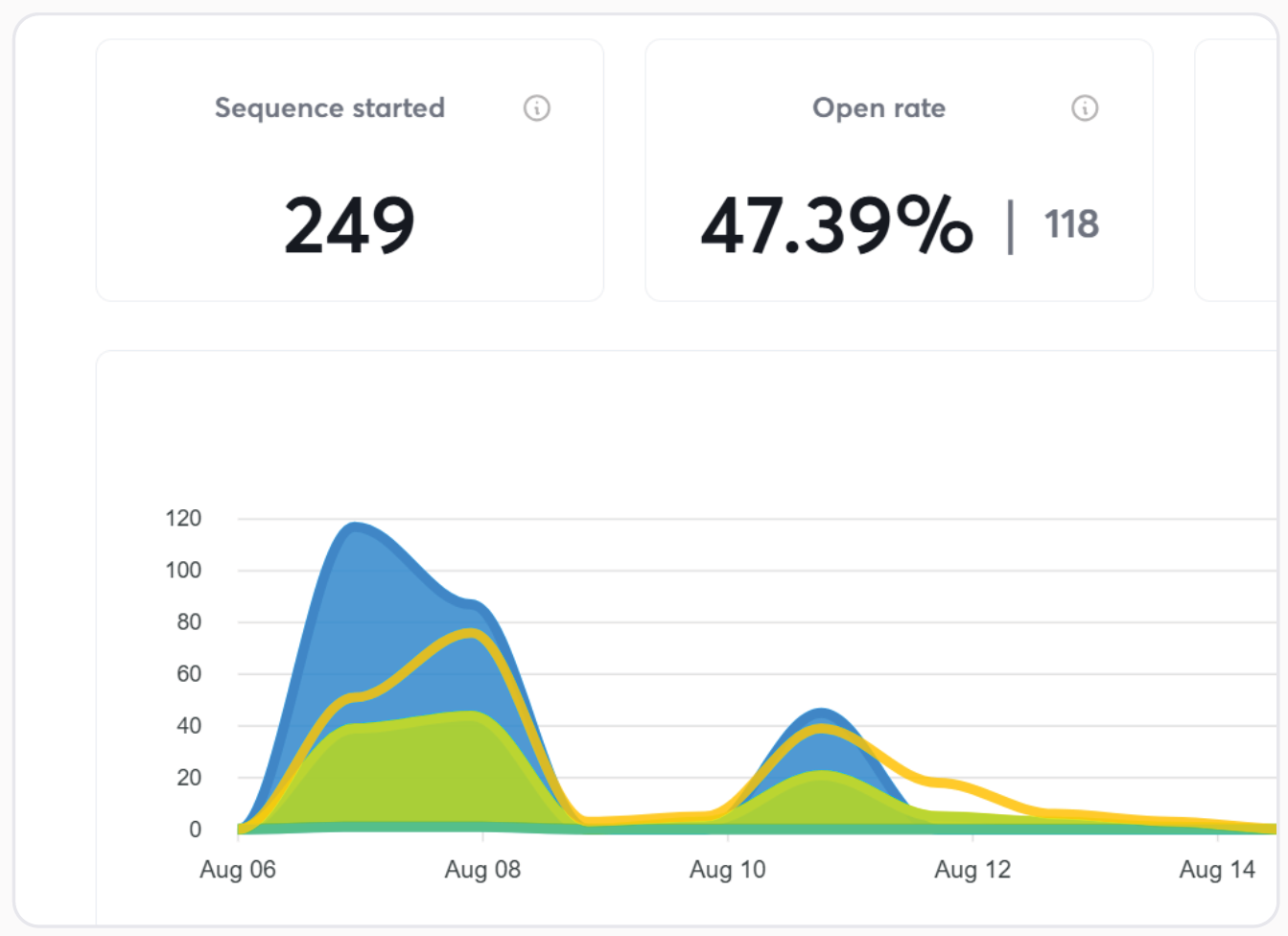
经常有客户问,为什么我们的邮件点开率跟回复率可以这么高呢?
我更喜欢用一个简单的公式来理解 Cold Email:
Cold Email 回复率公式
Reply Rate ≈ Deliverability × ICP × Timing × Pain × Credibility × Offer
也就是:
回复率 ≈ 送达率 × 客户匹配度 × 时机 × 痛点 × 可信度 × Offer
为什么这里用的是“乘法”,而不是加法?
因为 Cold Email 有一个非常残酷的特点:
任何一个关键因素接近 0,最后的结果都可能接近 0。
例如,你的邮件写得非常漂亮,但根本没有进入 Inbox,没用。
你找到了完全正确的客户,但他现在根本没有需求,也没用。
客户确实有需求,但你看起来像一个完全不可信的小公司,他一样不会回复。
所以,真正好的 Cold Outreach,不是“把邮件写好”,而是同时优化下面六件事情。
1. Deliverability:你的邮件到底有没有被看到?
这是整个公式最前面的一层。
如果一封邮件没有进入对方 Inbox,后面的 ICP、Personalization、Offer 全部没有意义。
Deliverability 主要受几个因素影响:
| 因素 | 影响 |
|---|---|
| Domain reputation | 你的域名过去是不是大量发垃圾邮件 |
| Email account reputation | 具体邮箱账号的历史发送表现 |
| SPF / DKIM / DMARC | 邮件身份验证有没有正确配置 |
| Bounce Rate | 你是不是给大量不存在的邮箱发邮件 |
| Sending Volume | 一个邮箱是不是突然每天发几百封 |
| Spam complaints | 收件人是否经常把你的邮件标成垃圾邮件 |
| Email content | 大量链接、图片、附件、垃圾营销词可能增加风险 |
| Engagement | 收件人是否打开、回复、删除你的邮件 |
所以第一条原则非常简单:
不要在一个 mailbox 上疯狂 Spray。
宁愿使用多个正常邮箱,每个邮箱控制发送量,也不要让一个账号突然每天发几百封营销邮件。
同时,要确保你的 Email List 本身足够干净。
如果你从某个平台拉了 10,000 个邮箱,然后直接开始群发,其中大量邮箱已经失效,你的 Bounce Rate 很快就会毁掉整个域名。
2. ICP:你到底找对人了吗?
ICP,也就是 Ideal Customer Profile。
这是我认为 Cold Outreach 中最重要的变量之一。
很多公司的问题根本不是“邮件写得不好”,而是:
他们在给根本不会买的人发邮件。
例如,假设你卖的是一个帮助中国工业企业寻找海外采购客户的产品。
下面两家公司:
公司 A
- 30 人
- 主要做国内市场
- 没有英文网站
- 没有海外销售团队
- 没有出海计划
公司 B
- 300 人
- 70% 收入来自海外
- 有 15 人海外销售团队
- 正在招聘美国 Sales Director
- 最近参加了美国行业展会
理论上,你可以给两家公司写完全一样的邮件。
但公司 B 的回复率可能天然就是公司 A 的十倍。
这不是 Copywriting 的差异。
这是 ICP Quality 的差异。
一个好的 ICP 至少应该包含:
| 维度 | 示例 |
|---|---|
| Industry | Industrial equipment |
| Company Size | 50–500 employees |
| Geography | China |
| Business Model | B2B export |
| Revenue / Funding | 有一定预算 |
| Existing Behavior | 已经在做海外营销 |
| Buyer | Head of Overseas Sales |
| Pain | 找不到足够海外客户 |
所以真正好的 Lead Generation,第一步永远不是:
怎么找更多 Email?
而应该是:
什么样的公司最可能买?
3. Timing:为什么是现在?
这是绝大多数 Cold Email 最大的问题。
你可能找到了一个正确的人。
但为什么他要今天回复你?
假设一个 VP Sales 每个月收到 200 封销售邮件。
其中一封写:
We help B2B companies generate more qualified leads.
理论上没有错。
但他为什么今天要回复?
没有原因。
反过来,如果你发现:
- 他刚刚开始招聘 5 个 SDR;
- 公司刚融资;
- 刚进入美国市场;
- 刚发布一个新产品;
- 刚参加一个展会;
- 刚换了 VP Sales;
- 刚开始投 Google Ads;
- 最近 SEO 流量下降;
- 最近开始大量发布海外内容;
这时候就出现了一个 Trigger。
好的 Cold Email 往往不是:
“你属于我的 ICP,所以我要卖东西给你。”
而是:
“你属于我的 ICP,而且某件事情刚刚发生,因此你现在可能需要我。”
例如:
Saw that you're hiring three SDRs for your US team. Usually when Chinese B2B companies start building an outbound team in the US, finding enough qualified accounts becomes the bottleneck.
这比:
We provide AI-powered lead generation services.
强很多。
因为前者回答了一个重要问题:
Why now?
这也是 Clay、Apollo、LinkedIn、招聘数据、新闻数据、社交媒体数据真正有价值的地方。
它们不是为了让你写:
Hi John, I saw you went to Stanford.
这种没有意义的 Personalization。
它们真正应该帮助你发现 Timing Signals。
4. Pain:这个问题到底痛不痛?
有需求,不代表有 Pain。
这是两个不同的东西。
比如:
“提高网站流量”
可能是一个需求。
但是:
“过去三个月 Google 流量下降 40%,Pipeline 已经受到影响”
这是 Pain。
再比如:
“想找更多海外客户”
是需求。
但:
“刚招了 8 个海外销售,但每个人每周只能找到 20 个合格客户”
才是真正的 Pain。
客户愿不愿意回复你,很大程度取决于:
这个问题现在到底有多严重?
好的 Cold Email 会把 Pain 写得非常具体。
差的写法:
Many companies struggle with lead generation.
好的写法:
A lot of Chinese manufacturers we work with already have overseas sales reps, but each rep still spends several hours every week manually searching LinkedIn, exhibitions and Google for potential distributors.
后者让客户产生一种感觉:
“对,这就是我的问题。”
这比写一百句 Personalized compliment 都重要。
5. Credibility:我为什么相信你?
即使客户:
- 是你的 ICP;
- 现在刚好有需求;
- Pain 很严重;
他还是有一个问题:
Why you?
这就是 Credibility。
Cold Email 最大的问题之一是:
客户对你几乎没有任何信任。
所以你必须快速减少这种不确定性。
Credibility 可以来自很多地方:
| Credibility Signal | 示例 |
|---|---|
| Customer | We work with OPPO |
| Competitor | We already work with several companies similar to X |
| Result | Increased organic traffic 3× |
| Scale | Generated 100k qualified accounts |
| Expertise | Built specifically for AI companies |
| Investor / Background | Backed by XX |
| Observation | 明显理解客户业务 |
| Case Study | 一个非常具体的成功案例 |
例如:
弱:
We are an AI SEO company.
强:
We currently run multilingual SEO programs for several leading AI companies, including OPPO's AI products.
再比如:
弱:
Our AI can help automate prospecting.
强:
We recently helped an industrial client identify 1,800 overseas companies that were actively expanding factories, rather than simply giving them another static Apollo list.
这里有一个很有意思的技巧:
Competitor / Peer Credibility 往往非常强。
比如:
We're already working with several Series B–C AI video companies on this.
客户马上会想:
我的同行已经在做了?
这会大幅降低理解成本。
6. Offer:你到底给我什么?
最后才是 Offer。
很多 Cold Email 最大的问题是,它实际上根本没有 Offer。
例如:
Would you be interested in learning more about our platform?
这不是 Offer。
这是让客户花时间听你介绍产品。
客户得到什么?
什么都没有。
更好的方式是给一个非常具体、低风险的下一步。
例如:
If useful, I can pull 50 US companies currently expanding manufacturing capacity that fit your ICP and send you the list.
这就是 Offer。
因为客户马上知道自己会得到什么。
另外一个例子:
I can run your site through our AI search audit and send over the 10 highest-intent queries where competitors currently appear but you don't.
这也很好。
一个好的 Offer 通常具有几个特点:
| 特点 | 意思 |
|---|---|
| Specific | 客户清楚知道会得到什么 |
| Valuable | 东西本身有价值 |
| Low friction | 不需要先开一个小时 Demo |
| Low risk | 不需要马上买 |
| Relevant | 和客户现在的 Pain 直接相关 |
| Fast | 很快可以看到结果 |
所以与其问:
Are you free for a 30-minute demo?
不如问:
Worth sending you the 20 accounts we found?
后者的回复成本低得多。
把六个因素组合在一起
最终,一封很好的 Cold Email,结构其实非常简单:
Signal → Pain → Credibility → Offer
例如:
Hi John — saw you're hiring four enterprise AEs for your US expansion.
One problem we often see with Chinese B2B companies at this stage is that the sales team grows faster than the qualified account pipeline, so reps end up spending a lot of time manually prospecting.
We help B2B companies identify overseas buyers based on real signals such as new factory projects, hiring, expansion and procurement activity, rather than just static company databases.
We recently built a list of US manufacturers expanding production capacity for another industrial client.
Happy to pull 30 accounts that match your ICP and send them over. Useful?
你会发现,这封邮件并没有特别“聪明”的 Copywriting。
也没有:
I loved your recent LinkedIn post.
也没有:
Congratulations on your amazing career.
真正让它有效的是:
ICP 是对的。
Timing 是对的。
Pain 是真实的。
Credibility 是存在的。
Offer 是具体的。
最后 Deliverability 保证它真正进入 Inbox。
Personalization 并不是第七个因素
很多人会问:
那 Personalization 在哪里?
我的答案是:
Personalization 本身不是目的。
真正有价值的 Personalization,是帮助你增强前面的几个变量。
例如:
没有价值的 Personalization
I saw you went to Harvard — very impressive!
这基本不会增加客户购买意愿。
ICP Personalization
Saw that roughly 70% of your business already comes from overseas.
说明你理解他属于什么类型的客户。
Timing Personalization
Saw you're hiring your first US sales team.
说明 Why now。
Pain Personalization
It looks like your overseas reps are currently sourcing distributors manually.
说明你理解 Pain。
Credibility Personalization
We're already doing this for another industrial automation company selling into the same market.
增加信任。
所以真正好的 Personalization,不是:
“证明我研究过你。”
而是:
“证明我理解为什么你现在可能需要这个。”
最后:Cold Email 不是写作问题,而是一个系统问题
如果你的 Cold Email Reply Rate 很低,不要第一反应就是:
我要不要把第一句话改一下?
先检查这六件事情:
| 因素 | 你应该问自己的问题 |
|---|---|
| Deliverability | 邮件真的进入 Inbox 了吗? |
| ICP | 这些公司真的可能买我的产品吗? |
| Timing | 为什么他们现在需要? |
| Pain | 这个问题真的足够重要吗? |
| Credibility | 为什么他们要相信我? |
| Offer | 回复我到底能得到什么? |
真正优秀的 Cold Outreach Engine,本质上是在不断提高这六个变量。
所以,与其每天花大量时间研究:
“我的邮件应该写 80 个字还是 120 个字?”
不如先把更重要的问题解决:
找对的人,在对的时间,用真实的 Pain 切入,给出可信的证明,再提供一个足够容易接受的 Offer。
这才是 Cold Email 回复率真正的底层逻辑。